Soccer Jersey Sizes: 7 Proven Ways to Get the Right Fit

The right jersey should match your body, role, and comfort needs. Choosing soccer jersey sizes by habit can leave you tugging sleeves all match. Measure first, check the exact chart, and test movement before ordering.
A good jersey feels secure without squeezing your chest or shoulders. Raise both arms and watch whether the hem climbs upward. That quick test catches poor fits before printing limits your options.
Quick Soccer Jersey Sizes Fit Check
Start with your chest or bust measurement. Keep the tape level around the fullest part. Then compare that number with the chart for your exact product.
Nike and Adidas place some measurements into different size bands. That explains why one medium can feel unlike another.
Use this quick guide before choosing:
- Men’s jerseys need chest, waist, and height checks.
- Women’s jerseys need bust, waist, and torso checks.
- Youth jerseys need chest and height checks.
- Goalkeeper tops need sleeve and shoulder checks.
- Custom jerseys need a full movement test.
1. Measure Your Body Before Reading Any Label
Why measure when you already know your size? Your favorite cotton shirt may use a loose everyday cut. A match jersey may use lighter fabric and a shaped torso.
Wrap a soft tape around the fullest chest area. Keep your arms relaxed and breathe normally. Pulling the tape tightly gives you a false result.
Next, measure your waist and total height. Women should note the fullest bust area. Parents should measure children before each new season.
Follow these simple steps:
- Stand straight without holding your breath.
- Keep the tape flat and level.
- Record each number in inches.
- Repeat every measurement for accuracy.
- Compare numbers with the product chart.
Ask another person to check the tape. Twisting while measuring can change your final reading.
2. Product Size Chart

A medium does not always represent the same body measurements across every brand. Nike and adidas use slightly different chest ranges for their jersey sizes, which means the same person may need a different size depending on the product. Always check the exact size chart listed with the jersey before choosing your best fit.
Men’s Jersey Size Reference
Size: XS
adidas chest range: 32.5 to 34 inches
Nike chest range: 31.5 to 35 inches
Size: S
adidas chest range: 34.5 to 36 inches
Nike chest range: 35 to 37.5 inches
Size: M
adidas chest range: 36.5 to 39 inches
Nike chest range: 37.5 to 41 inches
Size: L
adidas chest range: 39.5 to 42.5 inches
Nike chest range: 41 to 44 inches
Size: XL
adidas chest range: 43 to 46.5 inches
hese figures describe body measurements, not flat garment width. Always check the chart beside your chosen product.
Women’s Jersey Size Reference
Size: XS
adidas bust range: 30 to 32 inches
Nike bust range: 29.5 to 32.5 inches
Size: S
adidas bust range: 32.5 to 34.5 inches
Nike bust range: 32.5 to 35.5 inches
Size: M
adidas bust range: 35 to 37 inches
Nike bust range: 35.5 to 38 inches
Size: L
adidas bust range: 37.5 to 40 inches
Nike bust range: 38 to 41 inches
Size: XL
adidas bust range: 40.5 to 43 inche
Measure around the fullest bust area first. Keep the tape snug without pressing your skin.
Youth Jersey Size Reference
Youth size: XS
Typical age: 7 to 8 years
Height range: 48.5 to 50.5 inches
Chest measurement: 25 inches
Youth size: S
Typical age: 9 to 10 years
Height range: 53.5 to 55 inches
Chest measurement: 28 inches
Youth size: M
Typical age: 11 to 12 years
Height range: 58 to 60 inches
Chest measurement: 30.5 inches
Youth size: L
Typical age: 13 to 14 years
Height range: 62.5 to 64.5 inches
Chest measurement: 34 inches
Youth size: XL
Typical age: 15 to 16 years
Height range: 67.5 to 69.5 inches
Chest measurement: 36 inches
Age gives only a rough guide for children. Height and chest measurements provide a safer starting point.
3. Know Authentic and Replica Differences
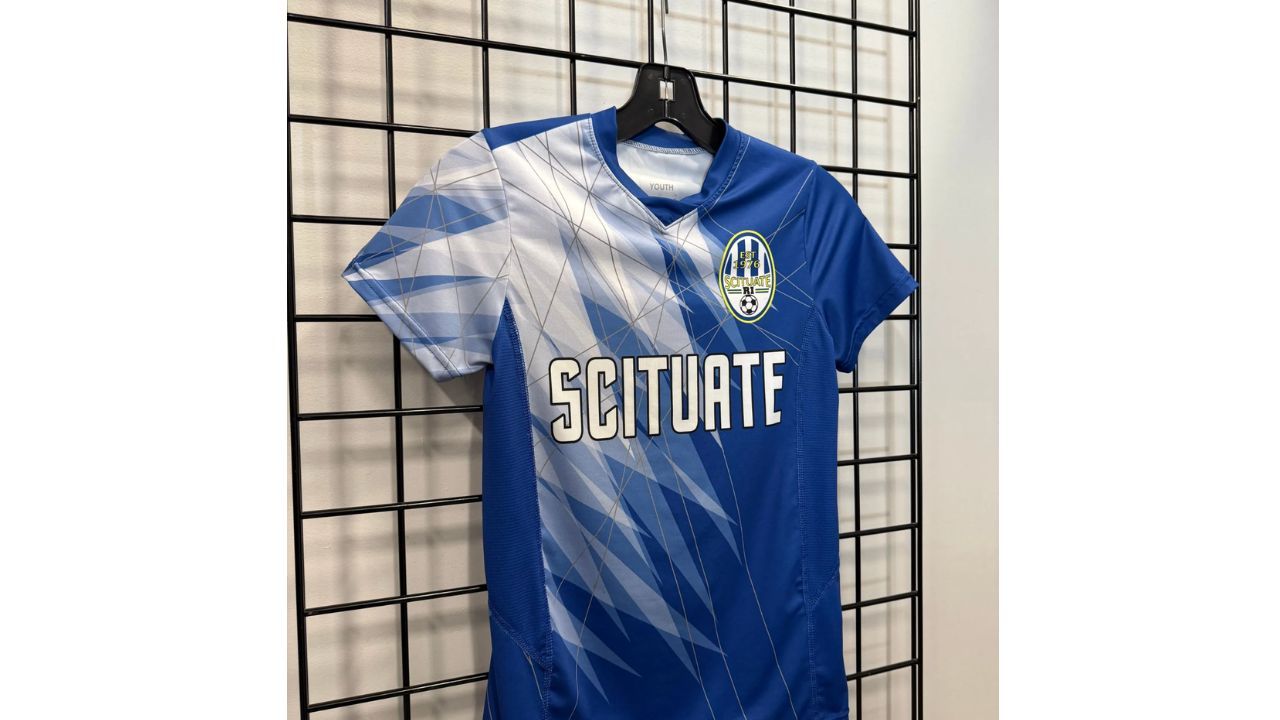
Authentic jerseys often copy shirts made for professional players. They may use lighter materials and closer performance cuts. Replica versions usually offer more room for fans.
Think about where you will wear the jersey most. Will you play hard, watch matches, or add layers underneath?
Use these practical clues:
- Choose authentic for a close athletic feel.
- Choose replica for easier daily comfort.
- Add room when wearing a base layer.
- Avoid sizing down only for appearance.
- Check reviews for product-specific fit notes.
A close fit should still allow free movement. Raise your arms, twist, and take several deep breaths. If fabric pinches, choose more room.
4. Match the Cut to Your Body
Men’s, women’s, youth, and unisex tops use different shapes. Women’s cuts may shape the waist and allow bust room. Unisex styles often use broader shoulder proportions.
Women should measure the fullest bust area first. Use your chest size when chest and waist disagree. Easy breathing matters more than a smaller label.
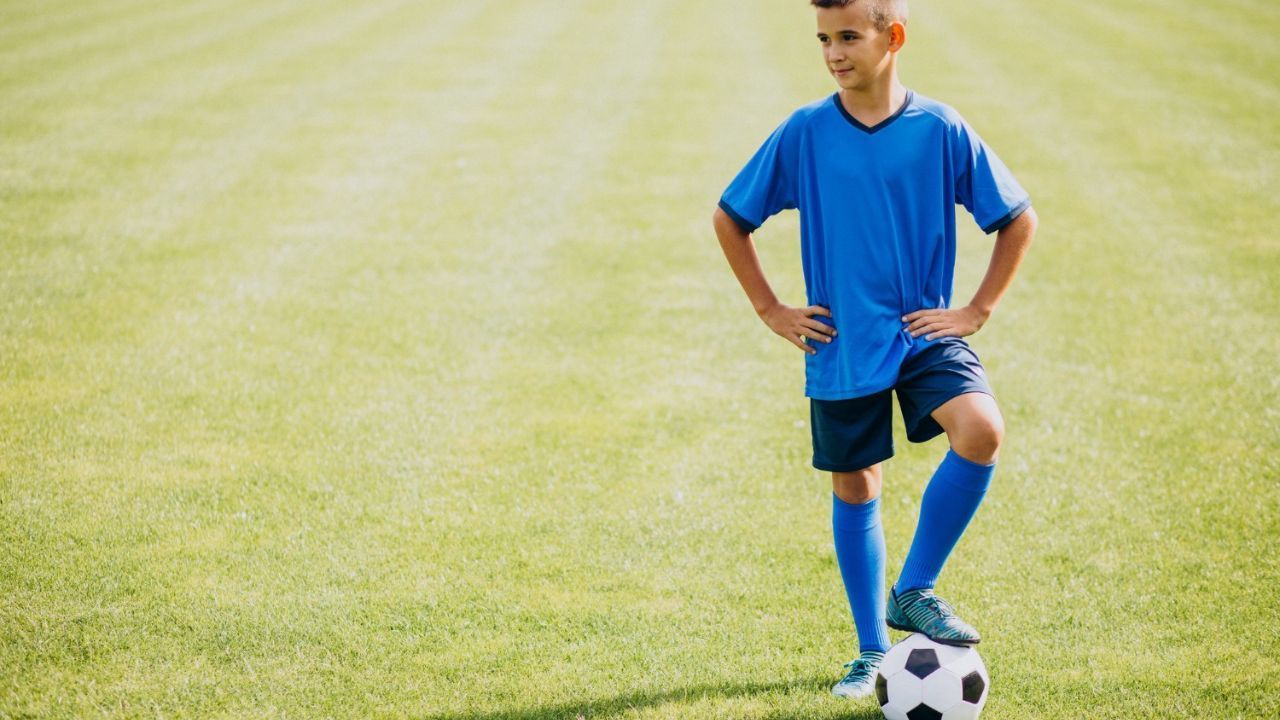
Youth sizing needs extra care because age can mislead. Two children sharing an age may need different jerseys.
For growing players, check these points:
- Sleeves should never cover the hands.
- The hem should not swallow the shorts.
- Shoulders need comfortable turning space.
- One thin layer should fit underneath.
- Growth room should not become loose fabric.
Let the child sprint and reach overhead. Movement often reveals fit problems within seconds.
5. Test Match Movements Before Customizing
Names, numbers, and club marks make a jersey personal. They can also limit return options after printing.
Wear the jersey indoors for several minutes. Sit, jog, bend, twist, and raise both arms. Check whether the collar rubs or the hem stays lifted.
Try this sixty-second movement test:
- Reach upward with both hands.
- Rotate fully toward each side.
- Lean forward and stand again.
- Take five slow deep breaths.
- Mimic your normal playing role.
For team orders, request several sample sizes. Different players should test the same style before approval.
DMK Sports carries blank jerseys from several soccer brands. Custom apparel consultations are available in-store or through email. This support helps teams compare products before larger printed orders.
6. Give Goalkeepers More Movement Space
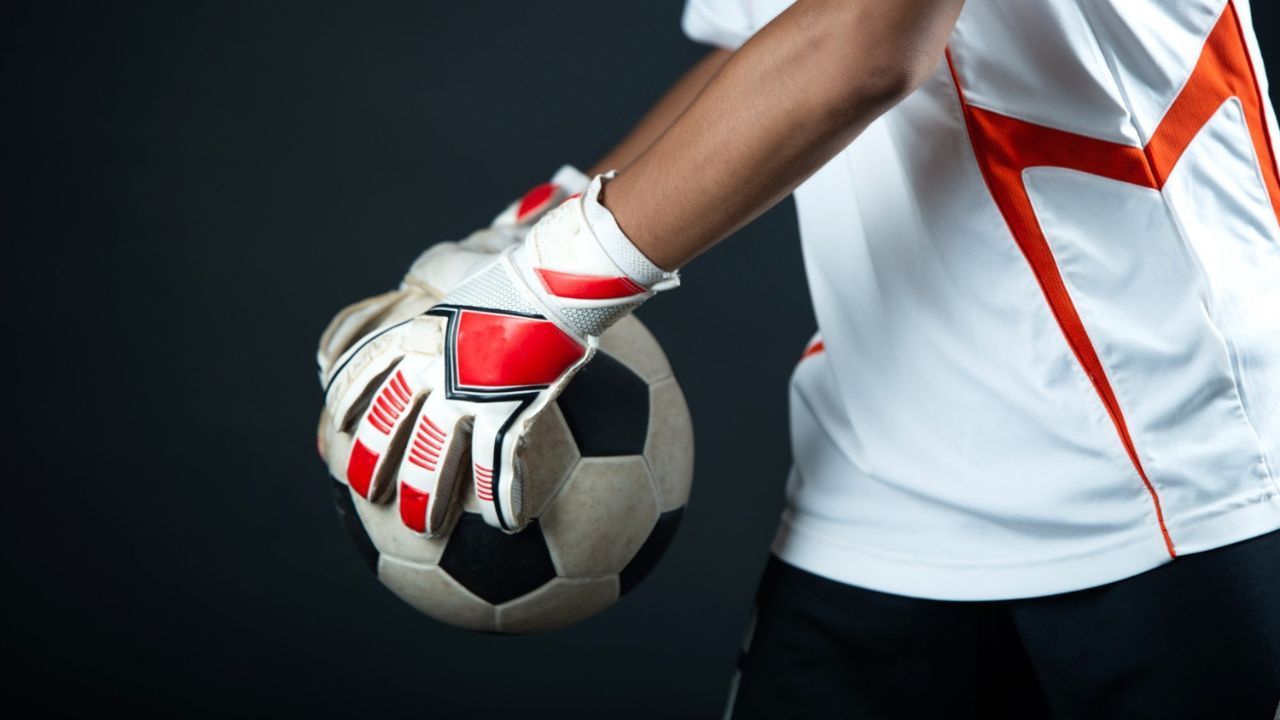
Goalkeepers reach, dive, twist, and land differently from field players. Their sleeves must clear gloves during every save.
You can buy a Goal Keeper Jersey after checking full arm extension. Wear your gloves and usual base layer during testing. The cuffs should never slide across your palms.
Check these keeper movements:
- Reach both hands above the crossbar.
- Drop quickly into a ready stance.
- Stretch each arm across your chest.
- Pretend to dive toward both posts.
- Check whether padding stays correctly placed.
DMK Sports offers keeper shirts, pants, training gear, and protective pads.
A Goal Keeper Jersey should feel secure without becoming stiff. Tight shoulders can shorten your reach.
7. Choose Carefully Between Two Sizes
Falling between two sizes is completely normal. Your final choice depends on comfort and intended use.
Choose the smaller size when:
- You prefer a close athletic fit.
- Your shoulders still move without pulling.
- You will not wear another layer.
- The fabric feels flexible and smooth.
Choose the larger size when:
- You prefer relaxed match-day comfort.
- You need room for base layers.
- Shoulder seams pull during movement.
- The jersey uses a close player cut.
Compare both sizes whenever possible. Your body often answers faster than the label.
Buying a New Team or National Jersey
New season releases can use fresh cuts and materials. Never assume last year’s shirt matches this year’s fit. Measure again before adding names or numbers.
Check the audience category before ordering. Men’s, women’s, youth, and unisex labels can look similar online.
Before checkout, review these details:
- Exact product name and jersey version
- Body chart beside the product
- Return conditions for custom items
- Delivery times during busy periods
- Space needed for match-day layers
Guessing hurts more when the jersey costs a premium. Two minutes with a tape can prevent lasting regret.
Final Fit Check
The best jersey disappears from your thoughts once play begins. You stop tugging sleeves and fixing the hem. Your focus stays on the ball.
Measure carefully, compare the exact chart, and test real movement. Those habits protect comfort, money, and confidence. Which jersey will finally feel made for you?
Frequently Asked Questions
Should I size up in a soccer jersey?
Size up when shoulders pull or breathing feels restricted. Extra room also helps with layers. Check the exact product chart first.
Do authentic jerseys run smaller?
Many authentic shirts use close performance cuts. Yet each product may feel different. Read the fit notes before choosing.
How should a replica jersey fit?
A replica should feel comfortable across your chest and waist. It should move freely without large folds.
Can adults wear youth jersey sizes?
Some smaller adults may fit larger youth tops. Youth cuts often have shorter sleeves and torsos.
Can one chart cover every brand?
No single chart works for every brand. Size bands change across labels and product lines.
How tight should a player jersey feel?
It should sit close without limiting movement. You should still breathe, twist, and reach with ease.