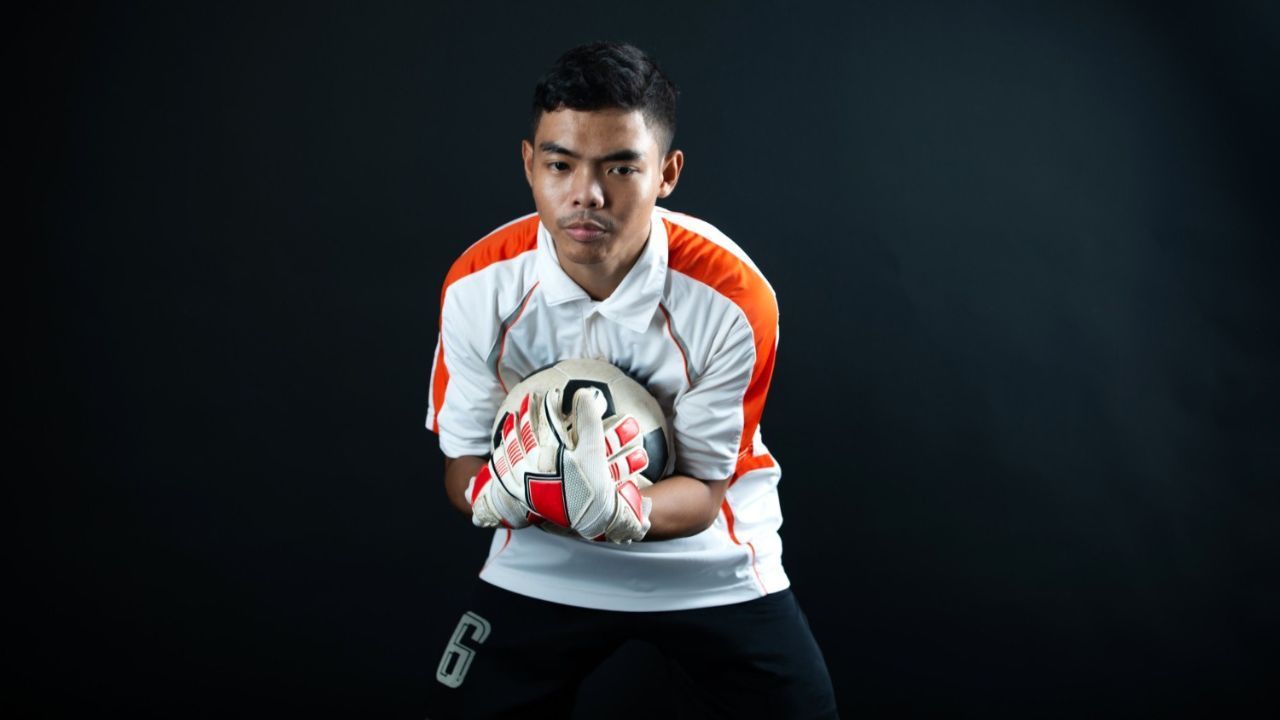
Futsal Ball vs Soccer Ball: Why You Can’t Use Them Interchangeably

A futsal ball and a soccer ball may look similar. They do not play the same way. Each one is built for a specific environment and style of play. Many beginners assume both can be used anywhere. That usually leads to poor control, bad passes, and frustration during games.
A soccer ball is larger and bounces higher. A futsal ball is smaller, slightly heavier, and stays low. These small differences affect every touch. Imagine playing futsal with a regular soccer ball. The ball pops up too much. Your first touch feels loose. Quick passing becomes harder.
Now try using a futsal ball outdoors. Passes fall short. Shots need more effort. The game feels slower. This is why understanding futsal ball vs soccer ball is important from the start. The right ball makes training smoother and more effective.
What Is the Main Difference?
The biggest difference is performance. A soccer ball is made for outdoor fields. It travels farther and reacts well in the air. This suits large spaces and long passes. A futsal ball is built for indoor courts. It has reduced bounce and stays close to the ground. This helps in tight spaces.
Key Differences at a Glance
Feature: Size Futsal Ball: Usually Size 4 Soccer Ball: Usually Size 5
Feature: Weight Futsal Ball: Slightly heavier Soccer Ball: Slightly lighter
Feature: Bounce Futsal Ball: Low Soccer Ball: Higher
Feature: Surface Futsal Ball: Indoor courts Soccer Ball: Grass or turf
Feature: Best For Futsal Ball: Close control Soccer Ball: Long passing
These differences may seem small. They completely change how the game feels.
Why They Are Not Interchangeable
You can use either ball anywhere. But performance suffers.
A soccer ball indoors often causes:
- Higher bounce
- Poor control
- Slower passing rhythm
- More lost possession
A futsal ball outdoors leads to:
- Shorter passes
- Reduced shooting power
- Slower movement on grass
- More effort in long play
Neither ball is better overall. Each is built for a different game.
Understanding futsal ball vs soccer ball helps you avoid these issues early.
How Low Bounce Changes Your Game
The first thing players notice is bounce. A futsal ball stays low. This keeps the game fast and controlled. You get less time and space, so every touch matters.
This improves:
- First touch
- Quick passing
- Close control
- Decision-making speed
Many players train with futsal balls to sharpen technique. Small improvements here translate into better match performance.
Can You Use a Futsal Ball Outdoors?
Yes, but it is not ideal. You can play casually with it. Just expect differences in performance. You will notice:
- Less bounce
- Shorter passes
- Slower gameplay
- More effort when shooting
If you mainly play outdoors, a soccer ball is the better choice. If you want to improve control, futsal training helps.
Can You Use a Soccer Ball for Futsal?
Yes, but only for casual games. A soccer ball bounces too much indoors. This affects control and passing.
You may struggle with:
- First touch
- Quick passes
- Maintaining possession
It is similar to using the wrong equipment in any sport. The game still works, but it feels off.
Which Ball Is Better for Beginners?
It depends on your goal. If you want better control and footwork, start with a futsal ball. It forces cleaner technique. If you are preparing for outdoor matches, use a soccer ball. Many coaches combine both. This builds balanced development. This is where futsal ball vs soccer ball becomes a training advantage, not a choice.
How Surface Affects Performance
The surface plays a major role. Indoor courts are smooth and hard. Outdoor fields are grass or turf. Each surface changes how the ball behaves.
A futsal ball rolls smoothly indoors. Its low bounce keeps the game controlled. A soccer ball performs better outdoors. It travels naturally and responds well to long passes. Using the wrong ball makes the game feel unnatural. You spend more time adjusting than improving.
Common Mistakes Players Make
Many players ignore equipment details. That slows progress. Common mistakes include:
- Using the wrong ball for the surface
- Training with only one type of ball
- Buying incorrect sizes
- Choosing cheap, low-quality balls
These habits reduce training quality over time.
Does Ball Weight Matter?
Yes. More than most players expect. A futsal ball feels heavier because it has less bounce. This improves control in tight spaces. A soccer ball feels lighter over long distances. It moves more freely during passes and shots. The difference becomes clear after a few sessions.
Is a Futsal Ball Better for Kids?
Often, yes. A futsal ball helps young players focus on control. Since it does not bounce much, they spend more time on the ball. This improves:
- Dribbling
- Passing accuracy
- Confidence
- Reaction speed
- First touch
However, outdoor training still requires a soccer ball. Using both creates better long-term development.
How to Choose the Right Ball
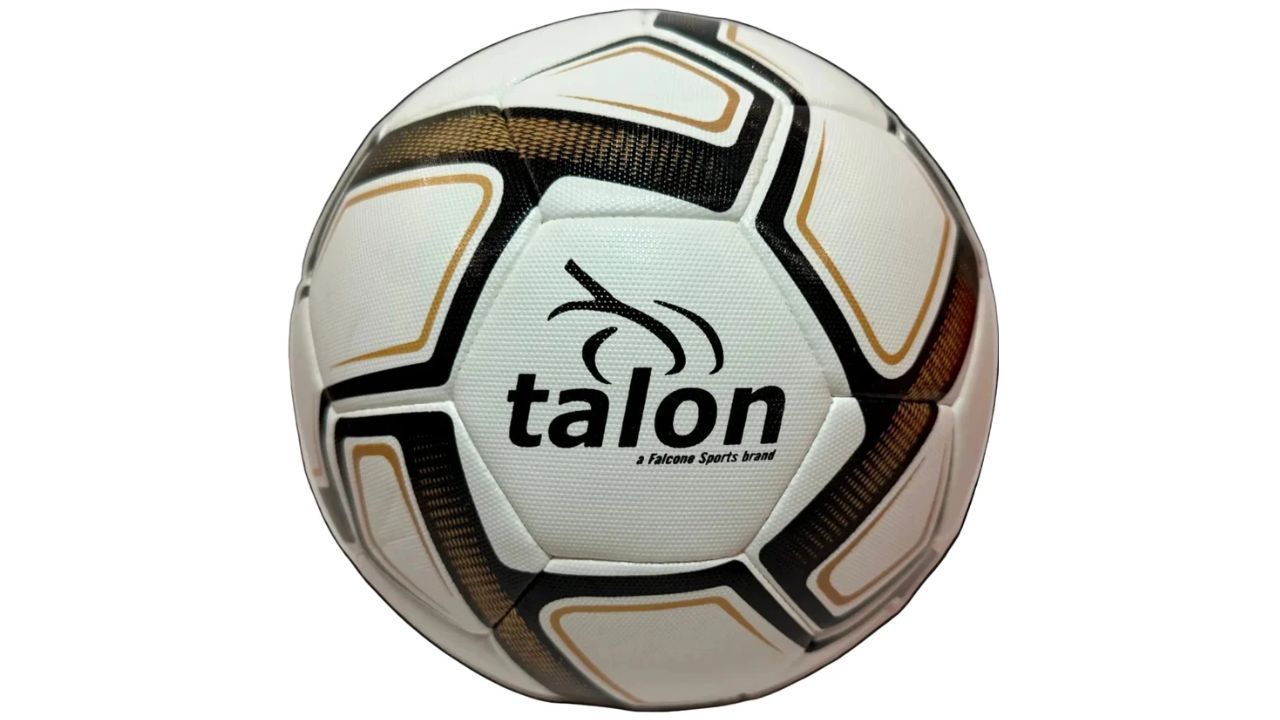
Your playing style should guide your choice.
Ask yourself:
- Where do I play most often?
- Am I training indoors or outdoors?
- Do I want better control or power?
- Am I preparing for matches?
If you play outdoors, explore the Soccer Ball collection from DMK Sports. You will find options for training and match play. If you play both formats, owning both balls is the best approach.
Why Quality Matters
A good ball improves every session. High-quality balls maintain:
- Shape
- Air pressure
- Consistent bounce
- Durability
Cheap balls lose structure quickly. That makes passing and shooting unpredictable. Investing in quality equipment improves performance and saves money over time. Many players rely on DMK Sports for consistent and durable options suited for different playing conditions.
Which Ball Should You Use?
The answer depends on where you play.
Choose a futsal ball if you:
- Play indoors
- Focus on control
- Train in tight spaces
- Practice quick passing
Choose a soccer ball if you:
- Play outdoors
- Train on grass or turf
- Practice long passes
- Compete in matches
Serious players use both. They adjust based on training goals. Knowing the difference between futsal ball vs soccer ball helps you train smarter and improve faster.
Whether you're a beginner or an experienced player, DMK Sports offers the latest equipment and sports gear or soccer cleats to support your game.
Final Thought
The right equipment changes how you play. A futsal ball sharpens control. A soccer ball prepares you for real matches. Together, they build a complete player.
Train with purpose. Use the right ball for the right situation. Every session will feel more natural, more effective, and more rewarding.
FAQs
1. Can I use a soccer ball for futsal?
Yes, but only for casual play. A soccer ball bounces too much indoors, which reduces control and makes quick passing harder. For regular futsal, use a proper futsal ball.
2. Can I use a futsal ball outdoors?
You can, but it is not ideal. A futsal ball travels shorter distances and feels slower on grass or turf. For outdoor matches, a soccer ball is the better choice.
3. Which ball is better for beginners?
It depends on your goal. If you want better footwork and control, start with a futsal ball. If you are preparing for outdoor matches, use a soccer ball. Many coaches recommend training with both.
4. Why do professional players train with futsal balls?
A futsal ball has a lower bounce and stays closer to the ground. This forces cleaner technique, faster decisions, and better close control. Those skills transfer directly to outdoor match performance.